


Understanding The Many Ways That Dogs Learn to Socialize With Each Other

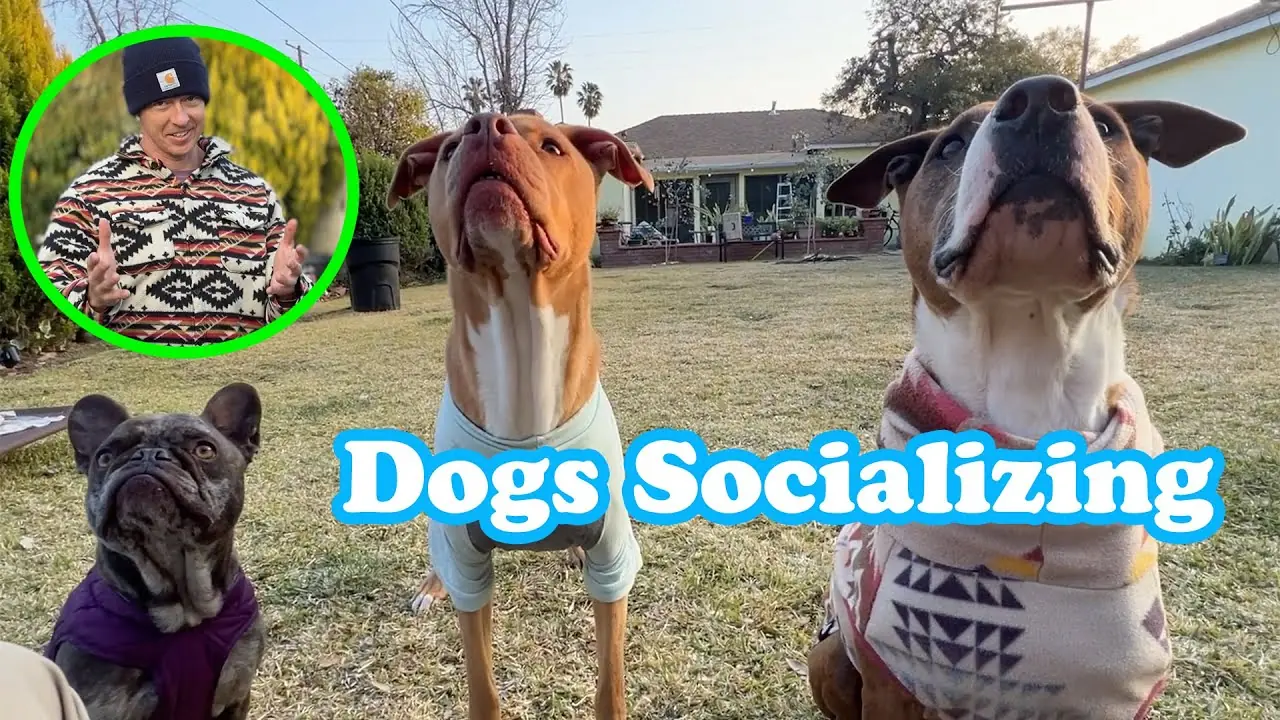
Pack leader Noah Urbina presents techniques on how to effectively socialize your dog in his newest ‘Everyday Animals’ Youtube video.
Pack leader Noah goes over “what it really means to socialize your dog.” There is so much to properly socializing dogs than just letting them play. It is essential for your dog’s wellbeing to be well socialized. The latest video on “Everyday Animals” really gets into the ins and outs of what it takes to correctly socialize dogs. The keys to socialize dogs is to communicate different situations, dogs, people and environments to them, in a way that supports them and fosters confidence. As Noah describes in the video, “most dogs are social animals” and as such their understanding of other animals is quite complex. The way that dogs interact with the world around them can be broken down into the “known and unknown.” This encompasses all that they are familiar with, and then everything else. For example just because “dogs are social animals,” does not mean that they have to engage with every other dog and person. Noah reiterates that socializing for dogs is not only about playing, even if it is one of the main ways that they come to know about one another, and by extension the world around them. Pack leader Noah further breaks down how playing is crucial for dogs to learn about other dogs, people and how to interact with one another. Play is important for dogs to learn about themselves as well. As to “how their bodies move” and how far they can take “roughhousing” with other dogs. All of this serves to help your dog’s wellbeing to navigate their environment with confidence. Learning how to just be calm in the presence of other dogs is a valuable skill for your dog to learn. For example, learning how to just share space with other dogs is easier to achieve for a dog with an even temperament.
However, most dogs need some kind of “wind down” to take them from playing to their next activity. To wind down effectively helps to bring down their energy levels from “wild time,” and in so doing will help dogs to control their nervous system. Supervising your dog’s interactions with other dogs, such as to offer support and guidance as needed, is crucial for them to navigate conflict as it arises. Dogs socialize and play with one another at different levels. Dogs deal with conflict in different ways and at their own pace. When dogs of different temperaments interact with one another, and the more “boisterous” dog is pressuring the other dogs, growling and snarling may ensue. Your dog would love a human to step in at this point to keep the other dog from putting pressure on them. This also increases your dog’s trust in you, when they see you advocate on their behalf. It is essential for your dog to learn how to just to share space with other dogs. Having dogs get to know each other in a controlled and safe environment, with someone being there to oversee them is vital. In pack leader Noah’s experience with running large play groups for dogs, it is a relief for them knowing that the humans can “keep control” of the situation.
Noah’s approach to socialization would first let the dogs in a play group figure each other out on their own. He would only step in after giving them the opportunity to navigate the situation on their own, so they could gain the valuable skills to do so. This eventually leads to the issue of your dog’s behavior at dog parks. There is a consensus amongst people who work with dogs, that it is not advisable to bring your dog to a dog park “blindly.” Everyone has heard the horror stories, that have left a mark on both the dogs and their owners. Aside from the obvious risks of getting dogs together who do not know one another into a single space, one should not assume that all the dogs there are socialized. Nor that all the dogs at the dog park are well behaved, and that their owners can intervene if and when conflict arises. In Noah’s experience, this is rarely the case as the dogs at the park have been kicked out of other play groups and that is their only place to exercise, so they are not that well socialized. The dog owners at the park are often distracted and on their phone. They won’t be able to determine which dog started when a conflict arises. Sometimes the dog park is divided by dog size, which makes sense.
Large dogs roughhousing at the dog park can better deal with conflict when it arises than fights between small and large dogs. Fights of epic proportions would arise if the dogs are mismatched in size. Another issue that arises is when dog owners play “fetch” with their dog, or throw a ball into a large group of dogs. Hoping that the other dogs at the park would just realize that the game was solely intended for their dog. Most dogs would not know how to share a ball and look at it as something that they have “to defend at all costs.” It is a disaster to throw a ball in a crowded dog park, where your dog is around many unfamiliar dogs. With all the energy that is expounded by dogs at the park, it creates a lot of tension and “hyper arousal,” which is hard to manage. Being in a “heightened” state makes your dog prone too poor decision making. Your dog will tend to associate this heightened state that they are in, with other dogs.
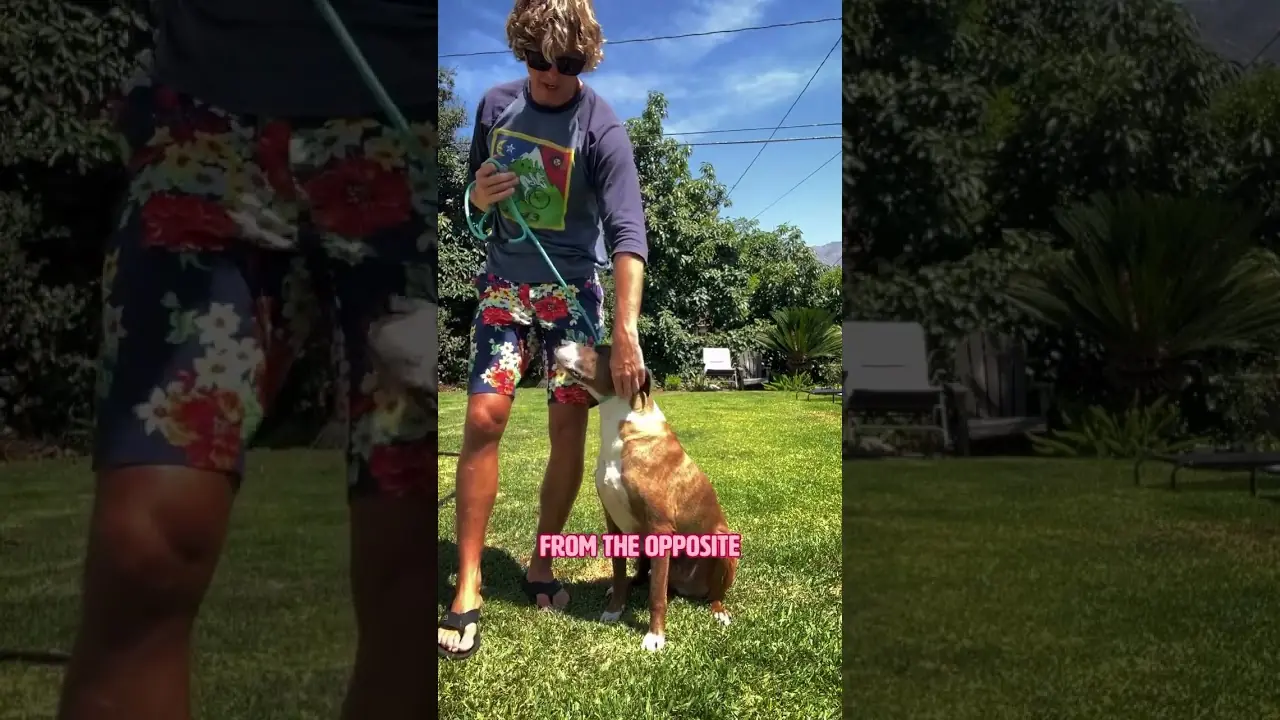
That it is why it is important for dogs to learn how to “just share space” and just be chill with other dogs, without the need to engage with them. Learning how to have down time between dogs is important. According to Noah, the most important part of the whole experience, if not the most important part of socializing your dog, is to just have them learn just how to chill with other dogs. Pack leader Noah’s technique would be to take his large group of dogs on a structured and supervised walk, and then bring them back for down time in his yard. Young dogs would just be comfortable learning how to socialize in this space, and the older dogs would relax. The less social dogs would learn how to interact with other dogs at their own pace, which gives them valuable experience. In closing, pack leader Noah stresses that dogs have different levels of social skills, and it is our job as to help foster these skills so they can be the best version of themselves.