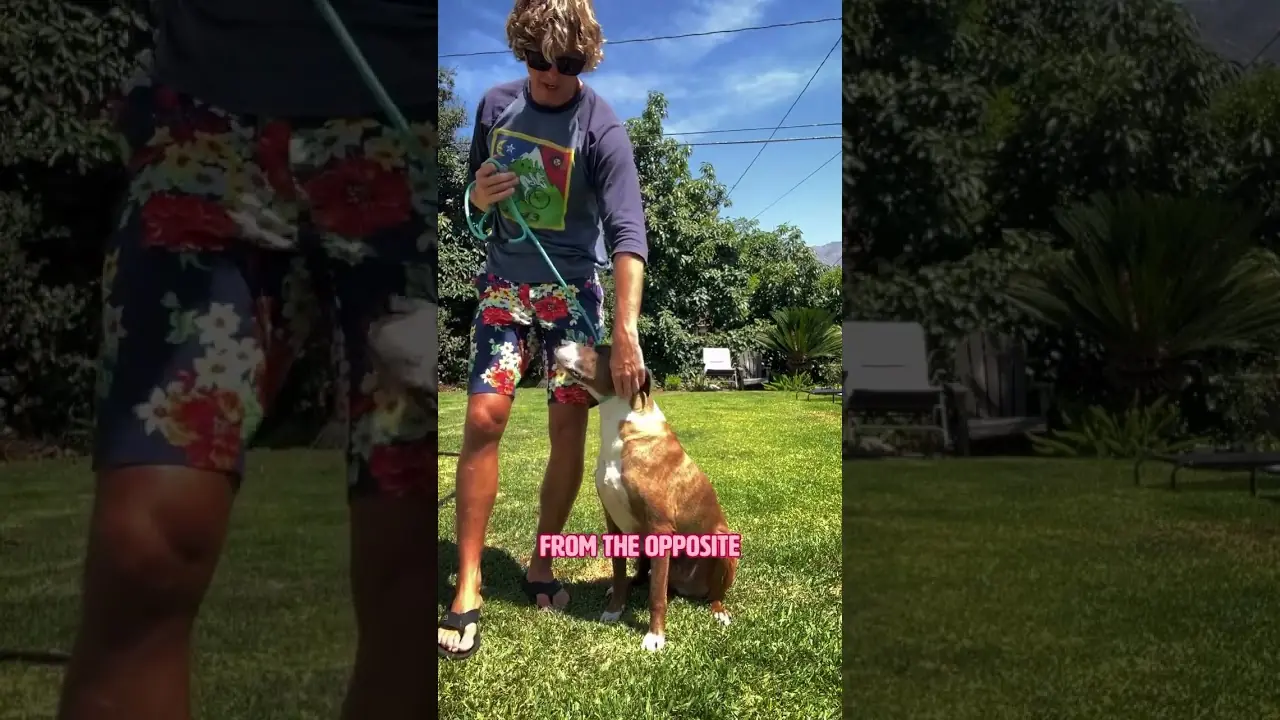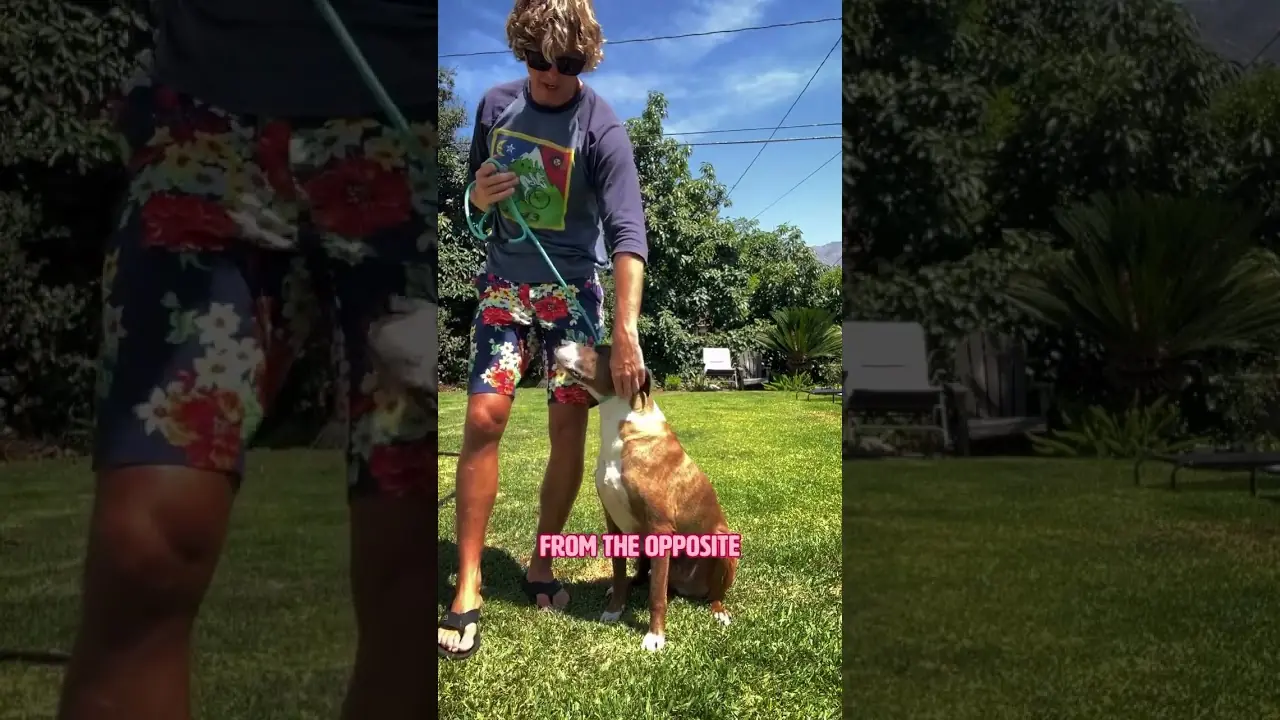




Behavior in the house vs. outside the house! | Learning more about how these two intermingle


Pack leader Noah’s newest video for the Everyday animals YouTube channel, breaks down different dog behaviors. There is a distinction between “indoor behavior” and “outdoor behavior” in dogs. It is important to know these behaviors when socializing your dogs. A Dog’s interactions vary according to their surroundings.
Noah talks about the behaviors of dogs inside of your house, how they relate and intermingle with each other. Their behavior inside and outside of the house is not unlike that of a child. “Prepare your child for the road and not the road for your child.” It is important to know when socializing your dog, that your interactions inside the house affects the interactions of your dog outside of the house. It creates a framework for their interactions outside of the house.
If you want your children and dogs to behave appropriately outside of the house, then everything starts at home. Like kids, dogs have to learn that they can’t have everything their way and have to learn manners, impulse control, patience and discipline. It is also crucial for them to learn independence, even in a codependent dynamic, which their relationship with humans entails.
According to pack leader Noah, a dog learning how to “just be” is one of the most important skills for a dog. Noah advises that the rules inside of the house can be different from those outside of the house, that is up to you, but what they have to be is consistent. Consistency is key, so that dogs can make sense of them. Otherwise, there is confusion. For example, if your dog is rough housing with other dogs, then it is your responsibility to show them how to do it accurately, and let them know if they do it too roughly. Let them know if they put their mouths on us or are being to demanding. On the outset, it may seem that having different rules of behavior for inside of the house than outside of the house would create confusion. It does not, because with consistency, dogs have the capacity for different kinds of behaviors.
Even when the context of the rules, or the environment changes. The rules are up to you. Pack leader Noah points out that in his house, the couch is for the humans and the dog beds are for the dogs. Never were the dogs allowed to get on the couch. The dogs did not perceive that the couch is something that they could ever lay on, and the behavior became automatic. After a few times of saying no about getting on the couch and showing them where they can lay instead, the dogs understood. Noah also does not allow racing around the house. The house is a ‘level one’ only space, which means gentle playing.
A dog learning how to control its behavior even when excited is “impulse control at its finest.” It is one of the most difficult times for dogs to make decisions. If you are a constant source of excitement for your dog then they will reflect that in their behavior. So it is also important to practice calm behaviors with your dogs, so that they will learn those behaviors. Sharing space in a calm and mellow way with your dog shows them how to exist in that environment. Dogs learn how to bring their nervous systems down on their own, when you teach them how to be calm and behave at that baseline. As they tend to make bad decisions when they are amped up.
That is why it is important to spend time with your dog in off mode, to show them how to do that too. You have to practice clarity inside of the house, be clear about what you do inside and outside of the house. Practicing clarity and communication inside of the house, means that your dog will listen to you outside of the house. If you don’t clearly tell your dog what to do and what not to do at home, then they won’t know what to do in a complex, high distraction environment outside. If your dog gets distracted outside and forgets what they learned, then take them to a less distracting environment and practice the behavior that they learned at home, repeatedly until they get it. Noah explains that we should understand what dogs can easily do and what is difficult for them. As with children, this is called “the zone of proximal behavior,” we can’t just expect them to know how to act. With most dogs there has to be a desensitization with exposure to the outside world and the best time to teach this behavior is when they are puppies. Slowly and calmly expose dogs to a wide variety of environments. Make sure when dogs meet other dogs, they do so in a calm and mutually respectful manner.
Advocate for your dog in these situations.
If your dog exhibits unacceptable behavior on the leash with other dogs, then meeting dogs for the first time on the leash is discouraged. The same applies to people who want to pet your dog. It can be turned into a teachable moment, by saying that your dog is still learning how not to be so excitable around meeting new people and that you can help train them by not petting them. It ultimately comes to risk and reward, with the risk being compromised trust between you and your dog and your dog and others. Ultimately, with all behaviors we have to show them the way.